


Aerospace & Engineering Market Signals: Jobs, Hiring, and Sales Trends for 2026
Aerospace & Engineering Market Signals 2026 – Jobs, Hiring & Sales
Key Signals Shaping the Aerospace & Engineering Market (2026)
- Job Demand Rising: Aerospace manufacturing and engineering roles in strong demand across the U.S. and globally.
- Production Backlogs Support Hiring: Long order backlogs for aircraft continue to underpin workforce stability.
- Talent Shortages Persist: Skilled technical talent remains harder to recruit than ever.
- Export & Global Demand Support Growth: Aircraft production aligned with global travel recovery is boosting aerospace activity.
- Economic and Supply Signals: Broader supply chain bottlenecks and labor market shifts are influencing production.
✈️ Aerospace & Engineering in 2026: A Signals-Driven Market
As we move deeper into 2026, the aerospace and engineering sectors continue to send strong signals about where the job market, sales pipelines, and hiring demand are headed. Rather than just snapshots, these trends reflect broader economic shifts — and they matter if you’re hiring, planning your career, or deciding where to invest time or capital.
💼 1. Strong Job Demand in Aerospace Manufacturing
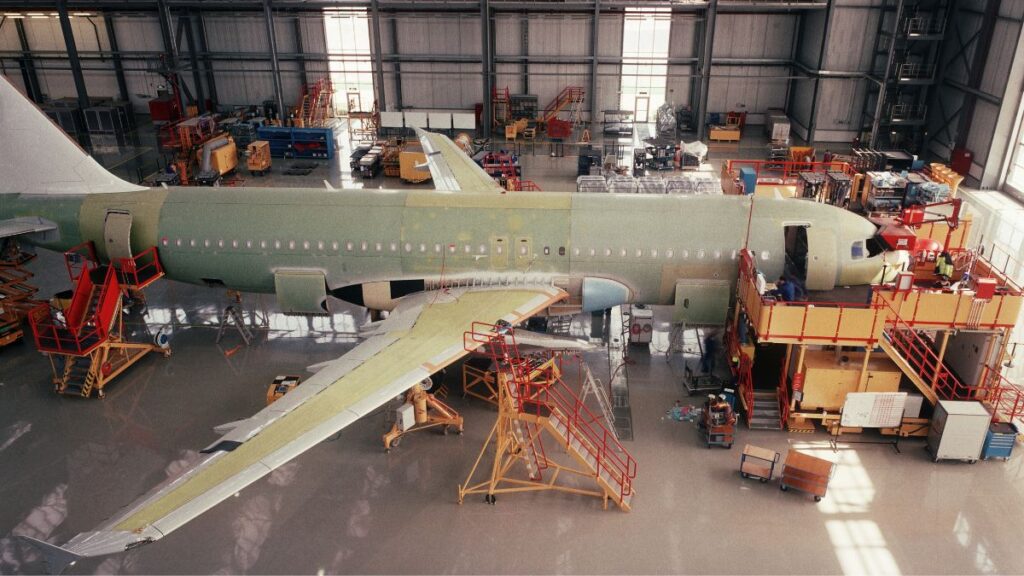
The aerospace sector remains a major employer across manufacturing and engineering disciplines, with thousands of jobs currently open and actively hiring. There are 31,000+ aerospace manufacturing roles listed in California alone, from machinists to test engineers — underscoring the continuing demand for talent.
This demand is being driven by a combination of factors: increased commercial air travel, renewed defense spending, and a surge in private-sector space activity. Major aerospace hubs across California, Washington, Texas, and Florida continue to invest heavily in both legacy aircraft programs and next-generation technologies, including electric propulsion, advanced materials, and autonomous systems. As a result, employers are not only hiring at scale, but also competing aggressively for skilled workers with hands-on manufacturing experience and specialized engineering backgrounds.
The aerospace sector’s role as a major employer is reinforced by the long-cycle nature of its programs and the breadth of skills required to sustain them. Aircraft and defense platforms often remain in production and support for decades, requiring continuous staffing across manufacturing, quality, engineering, and maintenance functions. Unlike shorter-cycle industries, aerospace cannot easily pause or restart production without significant cost and risk, which drives steady hiring even during periods of broader economic uncertainty.
Additionally, regional concentration amplifies visible demand in hubs like California. The state hosts dense clusters of OEMs, suppliers, research centers, and testing facilities supporting commercial aviation, defense systems, and space programs. As multiple programs operate concurrently, companies compete for the same limited pool of skilled machinists, manufacturing engineers, and test specialists. This convergence of long-term production commitments, geographic clustering, and constrained labor supply helps explain why tens of thousands of aerospace roles remain open and actively hiring.
📈 2. Production Backlogs & Aircraft Orders Support Long-Term Jobs
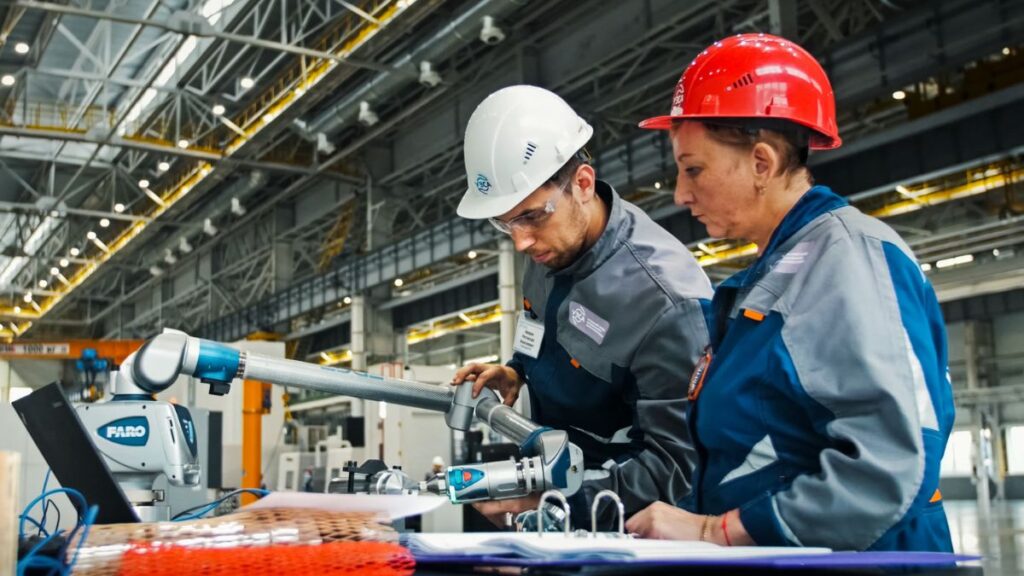
Record backlogs for major aircraft manufacturers are one of the clearest signals of demand. Airbus and Boeing, for example, are managing extensive order books that will keep production active — and jobs staffed — well into the mid-decade.
What this means: When backlog is high, production must stay staffed — and hiring continues.
These backlogs translate directly into multi-year production commitments that extend far beyond final assembly lines. Tier-one and tier-two suppliers must plan capacity years in advance, secure long-lead materials, and maintain a stable, skilled workforce to meet delivery schedules. Because aircraft programs operate on long production cycles, manufacturers are making labor decisions with a forward horizon measured in years, not quarters. This level of planning reinforces aerospace manufacturing as a structurally durable industry rather than one driven by short-term market fluctuations.
At a macro level, sustained order books allow manufacturers to justify capital investments and long-term workforce strategies with greater confidence. Facility expansions, automation upgrades, and supplier development programs are increasingly tied to guaranteed demand already locked into contract. For workers, this translates into stronger job security, clearer career pathways, and continued hiring momentum even amid broader economic uncertainty. In practical terms, backlog strength is one of the most reliable indicators that aerospace employment demand will remain elevated well into the decade.
🧠 3. Persistent Engineering Talent Shortages

Across aerospace, defense, advanced manufacturing, and related engineering fields, the need for talent continues to outpace supply. Recent workforce trend reports show engineering shortages across multiple high-growth sectors, requiring proactive recruitment and upskilling.
Why it matters: Companies are competing for talent, not just filling seats.
One of the primary drivers is demographic. A significant portion of the aerospace and defense workforce is approaching retirement age, particularly in manufacturing, systems engineering, and program management roles. The rate at which experienced workers are exiting the industry is exceeding the pace at which new graduates and trained technicians are entering it, creating persistent knowledge and labor gaps that cannot be quickly filled.
At the same time, the technical requirements of modern aerospace and defense programs have increased substantially. Today’s platforms integrate software, electronics, advanced materials, and automation at a level that demands cross-disciplinary expertise. Many open roles require years of hands-on experience or security clearances, limiting the available candidate pool and slowing replacement timelines even when demand is strong.
Education and training pipelines have also struggled to keep pace with industry needs. While demand for engineers and skilled technicians has risen, enrollment in certain engineering disciplines and vocational manufacturing programs has remained flat or declined in recent years. This mismatch is particularly acute in specialties such as manufacturing engineering, controls, quality, and test—roles that are essential to production but often underrepresented in academic pathways.
Finally, competition for talent has intensified across adjacent industries. Engineers and technical workers with relevant skill sets are being recruited not only by aerospace and defense firms, but also by tech, energy, automotive, and robotics companies. This cross-sector competition raises wages and turnover, further tightening supply and forcing aerospace employers to adopt more proactive recruitment, retention, and upskilling strategies to remain competitive.
🌍 4. Export Demand and Global Production Signals

Air travel demand has been rebounding, and aircraft deliveries are accelerating. However, production capacity has not yet fully caught up with demand — suggesting sustained workforce needs at production facilities worldwide.
Global context: Demand outstripping supply often translates into expanded operations and hiring for OEMs and suppliers.
While air travel demand has rebounded faster than many forecasts anticipated, aircraft production systems are still operating below pre-pandemic equilibrium. Manufacturing lines were deliberately slowed or restructured during the downturn, and rebuilding that capacity is neither immediate nor linear. Aerospace production relies on highly specialized labor, tightly sequenced supply chains, and long lead times for certified components, all of which limit how quickly output can be increased without introducing quality or safety risks.
Several structural constraints continue to delay full capacity recovery. Workforce attrition during the pandemic reduced the pool of experienced technicians and engineers, while supplier networks—particularly in castings, forgings, avionics, and engines—remain stretched. Certification requirements, tooling constraints, and the need to requalify processes further slow ramp-up efforts. As a result, manufacturers are prioritizing stability and quality over speed, reinforcing the need for sustained hiring at production facilities worldwide as capacity is rebuilt methodically rather than rapidly.
🛠 5. Broader Economic & Supply Chain Signals
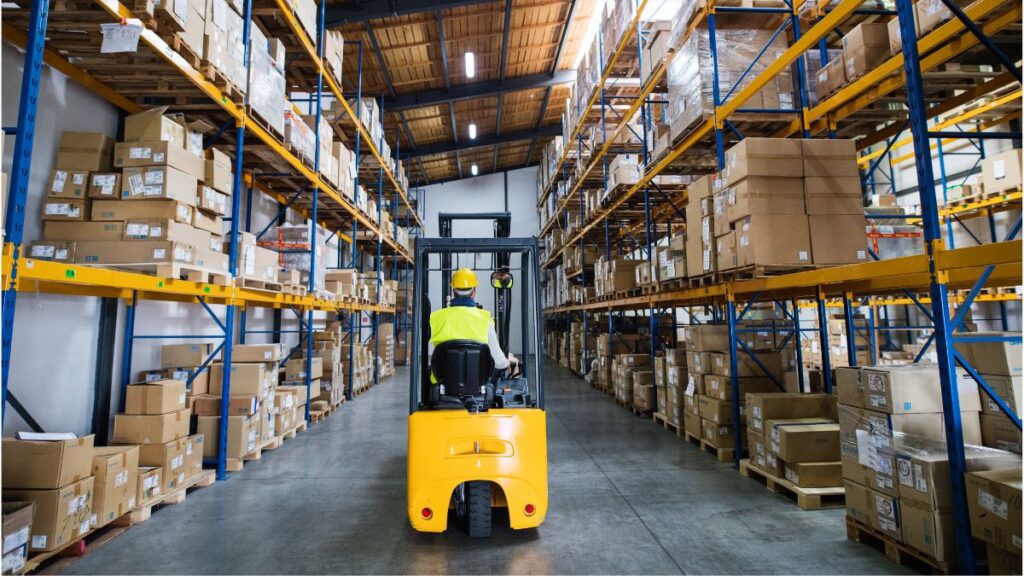
Supply chain bottlenecks and labor market shifts continue to play a role in aerospace production forecasts. Delays in deliveries and persistent constraints in key components signal that workforce planning and flexibility will remain essential.
Takeaway: The industry isn’t slowing; it’s adapting.
Supply chain bottlenecks in aerospace manufacturing are the result of structural vulnerabilities exposed over several years rather than isolated disruptions. Many critical components—such as engines, avionics, precision castings, and composite structures—are produced by a limited number of highly specialized suppliers. When demand rebounded, these suppliers faced capacity constraints, capital limitations, and labor shortages of their own, making it difficult to scale output quickly. The complexity and certification requirements of aerospace components further restrict substitution or rapid sourcing alternatives.
At the same time, labor market shifts have altered how manufacturers plan and staff their operations. Geographic mismatches between available talent and production facilities, increased worker mobility, and competition from adjacent industries have reduced workforce elasticity. As a result, aerospace companies are placing greater emphasis on cross-trained employees, flexible staffing models, and internal talent development to absorb supply-side shocks. In this environment, workforce planning is no longer a static exercise but a continuous strategic function tied directly to production resilience and delivery reliability.
📅 What It All Means for 2026
Taken together, these indicators show an industry that is:
- Still hiring aggressively
- Managing complex production pipelines
- Struggling with talent shortages
- Driven by global demand
- Influenced by broader economic and supply factors
Whether you’re a job seeker evaluating opportunities, an employer planning recruiting strategies, or a business leader interpreting market signals, these trends form a credible snapshot of where aerospace & engineering stands going into 2026.
🔗 Sources & Further Reading
- Aerospace job listings and employment demand in California (Indeed). Indeed
- Aircraft production backlogs and delivery forecasts. mane.co.uk
- Continued labor shortages in aerospace & advanced manufacturing. GE Aerospace
- Engineering workforce trends impacting aerospace recruiting. LinkedIn
- Demand vs. supply dynamics in aviation production. IATA
- Supply chain impacts on aircraft deliveries and growth. The STAT Trade Times

 0
0

